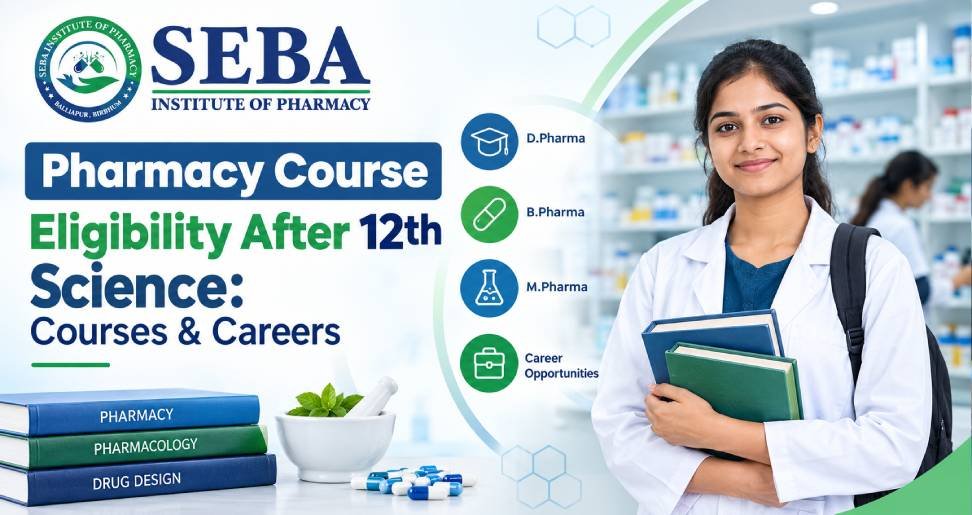
Choosing the right pharmacy institute is an important decision for students who want to build a career in healthcare and pharmaceutical sciences. A good institute should provide quality education, practical exposure, experienced faculty, suitable laboratory facilities, and guidance for future career opportunities. For students searching for a Pharmacy Institute Sattor Birbhum, finding an institution that combines academic learning with practical training can make a significant difference in their professional journey.
SEBA Pharmacy can be considered by students looking for pharmacy education with a focus on developing essential academic knowledge and practical skills. The institute aims to support students in understanding pharmaceutical sciences and preparing for different opportunities within the healthcare and pharmaceutical sectors.
Why Choose Pharmacy as a Career?
Pharmacy is an important part of the healthcare system. Pharmacists contribute to the safe and effective use of medicines and can work in different areas of the healthcare and pharmaceutical industries. The field offers opportunities beyond working in a traditional pharmacy.
Students who complete pharmacy education can explore career paths in areas such as:
- Community and retail pharmacy
- Hospital pharmacy
- Pharmaceutical manufacturing
- Quality control and quality assurance
- Drug distribution
- Pharmaceutical marketing
- Clinical and healthcare support services
- Research and development
- Regulatory and compliance-related roles
The growing importance of medicines, healthcare services, and pharmaceutical products makes pharmacy a relevant career choice for students interested in healthcare.
What Makes a Good Pharmacy Institute?
When searching for a Pharmacy Institute Sattor Birbhum, students and parents should consider several factors before making a decision. The quality of education depends not only on the course but also on the learning environment provided by the institute.
1. Experienced Faculty
Teachers play an important role in pharmacy education. Students need guidance to understand subjects such as pharmaceutics, pharmacology, pharmaceutical chemistry, anatomy, physiology, and other areas of pharmaceutical science.
Qualified and supportive faculty members can help students understand complex concepts and develop a strong academic foundation.
2. Practical Laboratory Training
Pharmacy is a practical-oriented field. Classroom education provides theoretical knowledge, while laboratory sessions help students understand how pharmaceutical concepts are applied in real situations.
A suitable pharmacy institute should provide opportunities for students to participate in practical sessions and gain familiarity with laboratory procedures, instruments, pharmaceutical formulations, and safety practices.
3. Industry-Oriented Learning
The pharmaceutical sector is continuously evolving. Students can benefit from an educational environment that connects academic learning with practical applications.
Exposure to pharmaceutical processes, professional practices, quality standards, and workplace expectations can help students become more confident when they enter the professional world.
4. Supportive Learning Environment
A positive academic environment encourages students to ask questions, participate in practical activities, and improve their knowledge. Regular academic guidance and communication between students and faculty can make the learning experience more effective.
Pharmacy Education at SEBA Pharmacy
For students searching for a Pharmacy Institute Sattor Birbhum, SEBA Pharmacy focuses on creating an educational environment where students can develop their knowledge of pharmaceutical sciences.
The institute can be a suitable option for students who want to understand the fundamentals of pharmacy while developing practical skills relevant to the healthcare sector. Students can work toward building a strong academic foundation that may help them pursue further education or explore professional opportunities after completing their course.
The goal of pharmacy education should be to help students become responsible professionals who understand the importance of medicines, patient safety, pharmaceutical practices, and ethical responsibilities.
Important Subjects in Pharmacy Education
Pharmacy students study several subjects that help them understand medicines and their relationship with the human body. Depending on the course, the curriculum may include subjects related to pharmaceutical chemistry, pharmaceutics, pharmacology, pharmacognosy, human anatomy and physiology, and other pharmaceutical disciplines.
Understanding these subjects helps students learn how medicines are prepared, how they work, how they are stored, and how they should be handled responsibly.
Practical classes further strengthen this knowledge by allowing students to apply concepts learned in the classroom.
Career Opportunities After Pharmacy Education
One of the major advantages of studying pharmacy is the range of career opportunities available after completing the required education and registration formalities.
Graduates can consider employment in pharmaceutical companies, hospitals, pharmacies, healthcare organizations, manufacturing units, and other related sectors. Some students may also choose higher education to develop specialized knowledge.
Those interested in the business side of healthcare can explore opportunities related to pharmaceutical sales and marketing, while students interested in technical work may consider areas such as production, quality control, and quality assurance.
Career development depends on the student’s qualification, skills, experience, applicable regulatory requirements, and area of specialization.
How to Select the Right Pharmacy Institute in Sattor, Birbhum?
Before selecting an institute, students should carefully evaluate the available options. Some important points to consider include:
Course and curriculum: Check whether the institute offers the appropriate pharmacy program and follows the applicable academic requirements.
Faculty: Learn about the qualifications and teaching experience of faculty members.
Laboratory facilities: Practical learning is essential, so students should consider the availability of suitable laboratories and equipment.
Learning environment: A disciplined and student-friendly environment can support academic development.
Practical exposure: Look for opportunities that help students connect classroom knowledge with professional applications.
Future opportunities: Students should understand the possible career and higher-study pathways available after completing the course.
Building a Successful Career in Pharmacy
Getting admission to a pharmacy institute is only the beginning of a professional journey. Students should actively participate in classes, practical sessions, seminars, and other academic activities. Developing communication, analytical, organizational, and professional skills can also be valuable.
Students should keep themselves updated about developments in pharmaceutical science and healthcare. Maintaining academic discipline and gaining practical knowledge can help them become better prepared for future professional responsibilities.
Why Consider SEBA Pharmacy?
For students looking for a Pharmacy Institute Sattor Birbhum, SEBA Pharmacy can be explored as an option for pharmacy education. By focusing on academic learning and practical understanding, the institute aims to help students build the foundation required for a career in the pharmaceutical and healthcare sectors.
Students and parents should review the institute’s current course offerings, admission requirements, facilities, and applicable approvals before making a final admission decision.
Conclusion
Pharmacy offers students the opportunity to enter a diverse and meaningful healthcare-related profession. Selecting the right educational institute is an important step toward developing the knowledge and skills required in this field.
For students searching for a Pharmacy Institute Sattor Birbhum, SEBA Pharmacy can be considered as an option for pursuing pharmacy education. A combination of theoretical knowledge, practical training, academic guidance, and professional development can help students prepare for their future in the pharmaceutical and healthcare industries.
If you are planning to pursue pharmacy education, compare institutes carefully and choose an institution that matches your academic goals, career interests, and educational requirements.